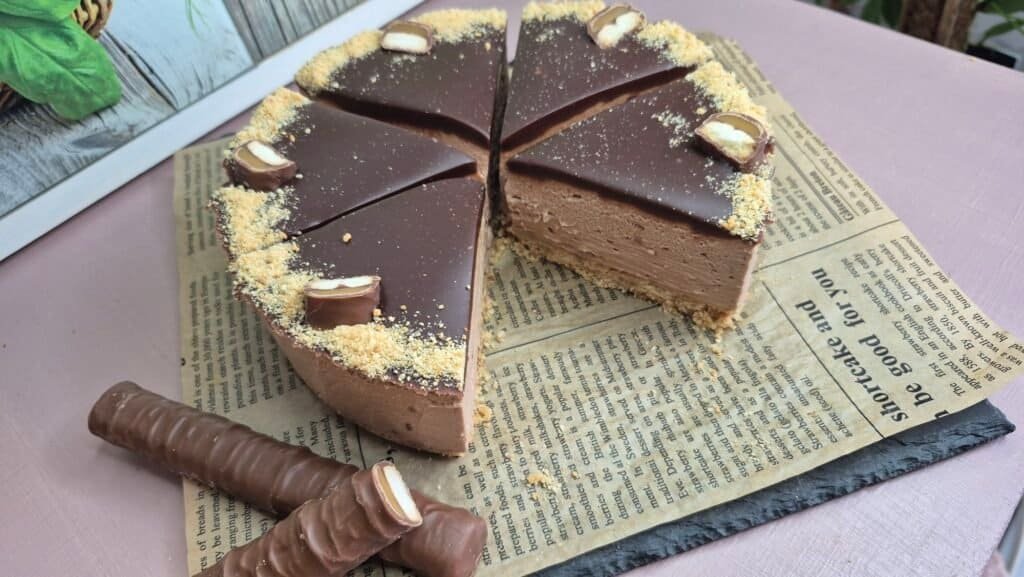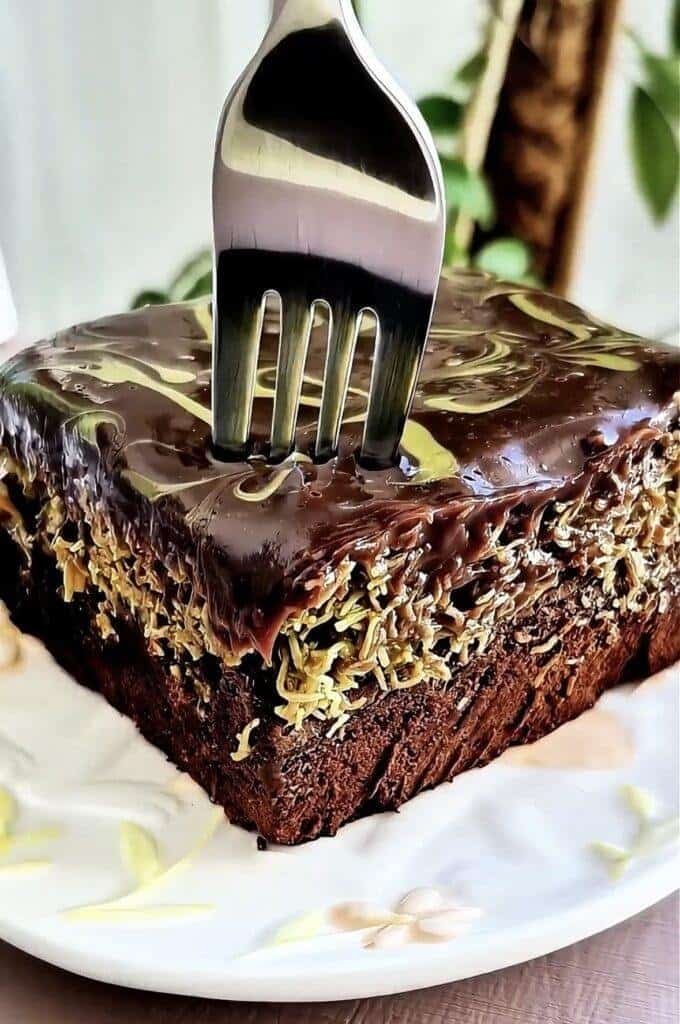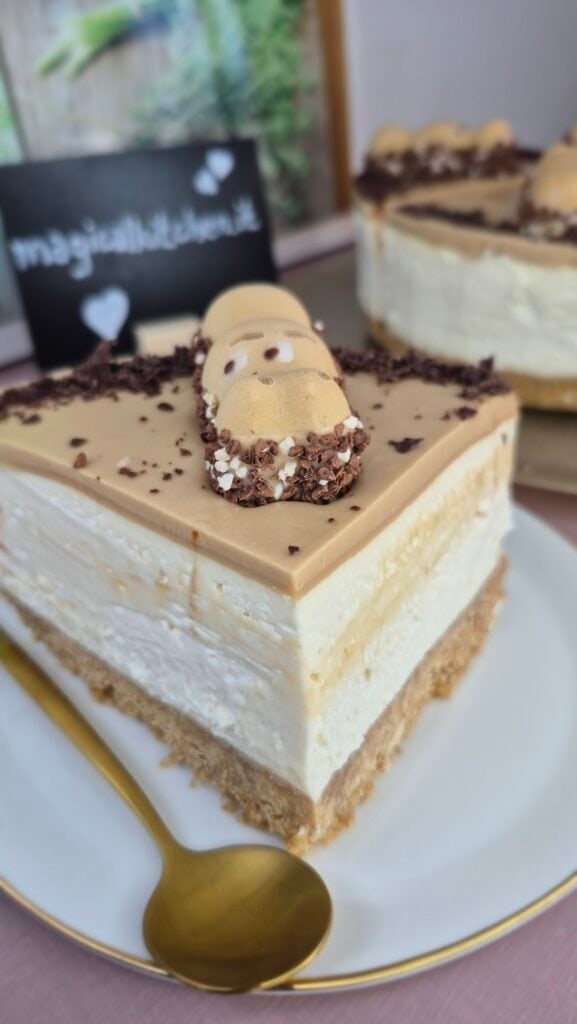

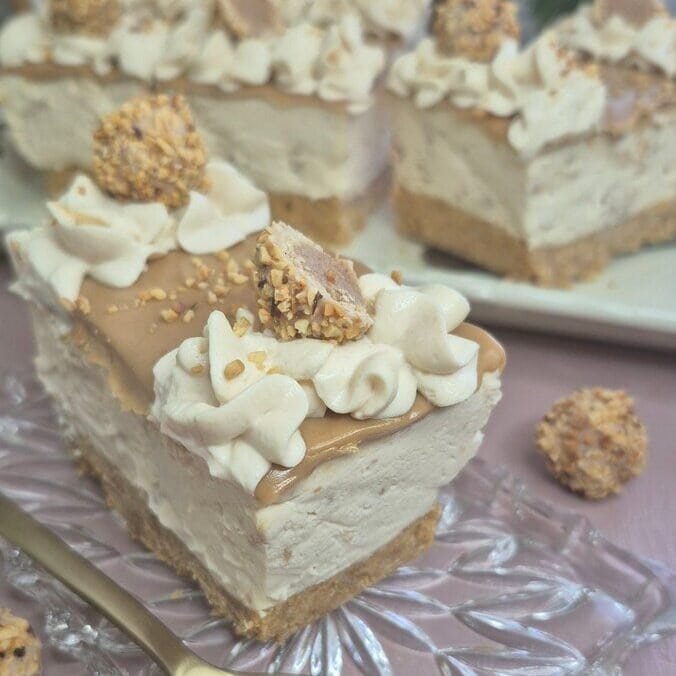
Giotto cheesecake is one of those desserts that looks “proper bakery” when you slice it, but it’s actually a straight, no-bake fridge cake. The flavor is exactly what you’d hope for: creamy mascarpone filling, light hazelnut notes, and those little Giotto pieces showing up in every bite.
I make this when I want something that’s clean and neat on the plate, with a topping that sets like a glossy layer and a filling that holds its shape without being heavy. It’s the kind of cheesecake that disappears fast, especially if you serve it cold and cut the slices a little smaller than usual (you’ll end up cutting more anyway).
What makes this cheesecake taste like “Giotto”
Giotto has that wafer-hazelnut-praline vibe, and I lean into that in two places:
First, I mix finely chopped Giotto balls into the filling so you get little bursts of texture without the filling turning crunchy.
Second, I use a light hazelnut spread in the cream mixture and again on top. Not too much—just enough to make the whole cake taste like hazelnut without turning it into a chocolate-hazelnut spread cake.
This is not a baked cheesecake, so the taste is all about balance: creamy base, hazelnut aroma, and a crust that gives you a slightly salty biscuit bite under everything.

Ingredient breakdown
For the crust
Digestive biscuits are perfect here because they’re sturdy, mildly sweet, and they don’t turn into a greasy paste once chilled. Melted butter binds everything, and a little milk helps the crumbs press down smoothly and cut clean later.
For the filling
Mascarpone is doing most of the “cheesecake” work. It’s rich, but it’s also mild, which is why it plays so well with hazelnut. Powdered sugar dissolves instantly (no grainy feeling). Heavy whipping cream gives the filling structure once whipped—this is what makes the cake sliceable even though it’s no-bake. A spoon of hazelnut spread ties the flavor together. Then the Giotto balls: chop them small so they blend in, not big chunks that make slicing messy.
For the topping
I keep it simple: melted hazelnut spread. It sets into a thin layer that looks glossy and makes the top taste like hazelnut “frosting” without extra work.
Optional decoration
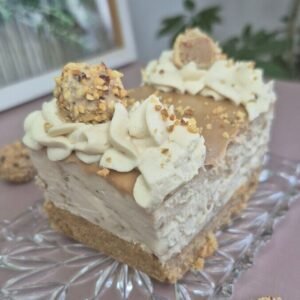
I usually finish it with a few Giotto balls, some whipped cream swirls, and chopped hazelnuts. Not because it needs it—but because it makes the cake look finished and helps people understand what flavor they’re getting before they even taste it.
Equipment you’ll need
- A 20 cm (8-inch) springform pan (or a regular cake ring)
- Baking paper for the base (makes lifting cleaner)
- A bowl + hand mixer (or stand mixer)
- A spatula
- Something to crush biscuits (food processor or a bag + rolling pin)
Step-by-step instructions
1) Make the crust
Crush the Digestive biscuits until you have fine crumbs. If you leave big chunks, the base can crumble when you cut the cake.
Mix the crumbs with melted butter, then add the milk. You’re aiming for a texture that looks like damp sand: it should press together easily when you push it with a spoon.
Tip from my kitchen: I press the base down firmly around the edges first, then flatten the middle. The edges are what keep the slices looking sharp.
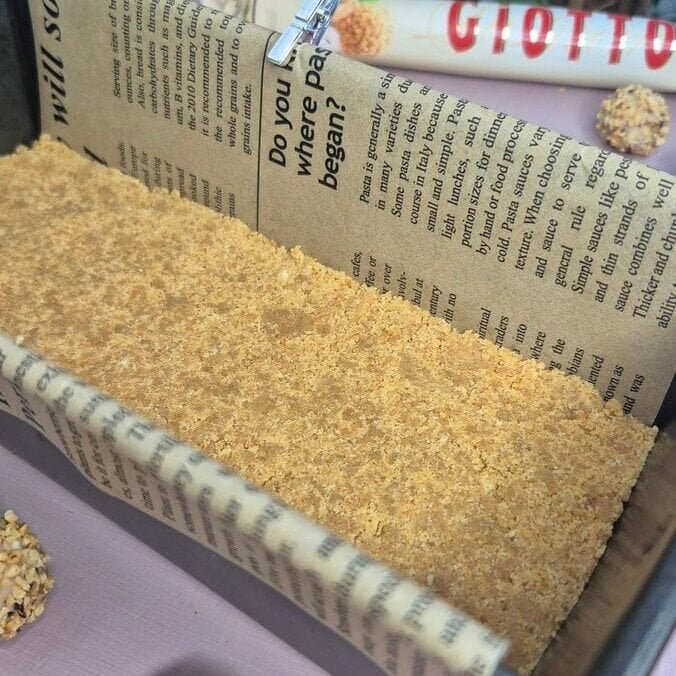
Put the pan in the fridge while you do the filling.
2) Whip the filling
In a large bowl, add the mascarpone, powdered sugar, heavy whipping cream, and hazelnut spread.
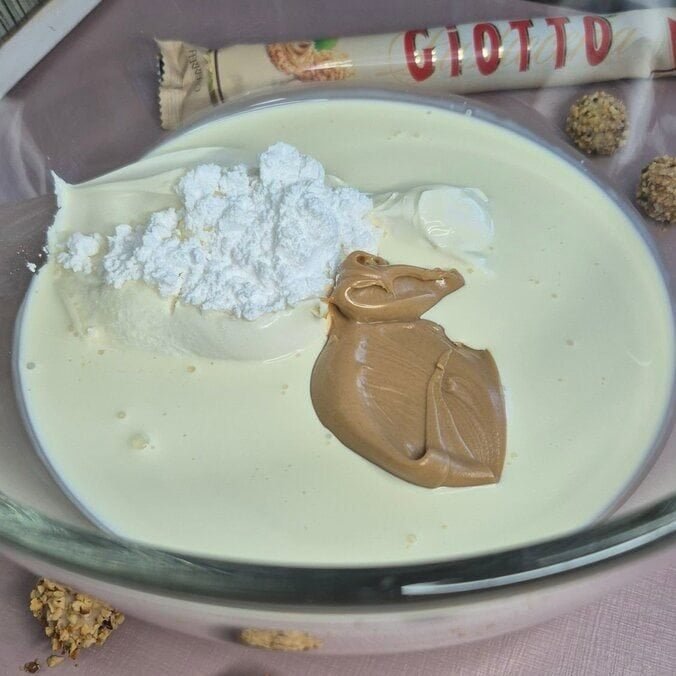
Start mixing on low speed for a few seconds (so you don’t throw powdered sugar everywhere), then increase the speed and whip until the mixture becomes thick and holds its shape.
This part matters: stop as soon as it’s firm. Over-mixing mascarpone can make it loosen or turn slightly grainy, depending on the brand and temperature.
3) Add the Giotto pieces
Chop the Giotto balls finely. I don’t turn them into dust—I want small bits so you can actually taste them.
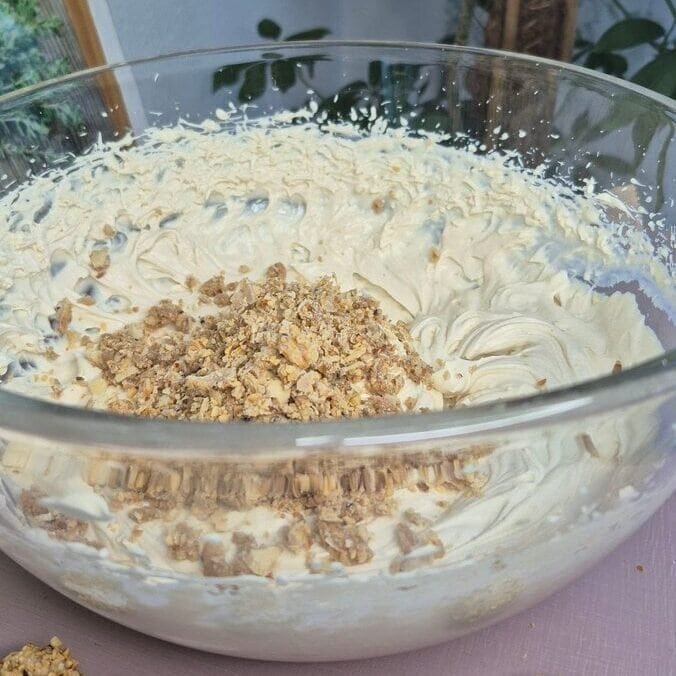
Fold them into the filling with a spatula. Folding keeps the mixture airy.
4) Fill and chill
Spoon the filling onto the chilled crust and smooth the top.
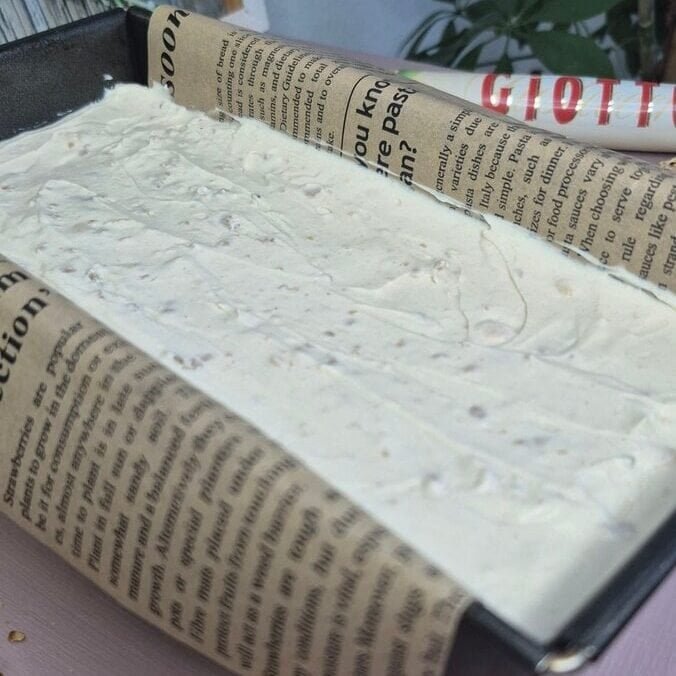
Then refrigerate for at least 1 hour so the surface firms up a bit before the topping goes on. This helps the topping stay on top rather than sinking into the cream.
5) Add the hazelnut topping
Warm the hazelnut spread gently over a double boiler (or in very short microwave bursts if you’re careful). You want it pourable, not hot.
Pour it over the cheesecake and tilt the pan slightly to help it spread. If needed, you can guide it with the back of a spoon, but I try not to drag too much—smooth looks better than “worked.”
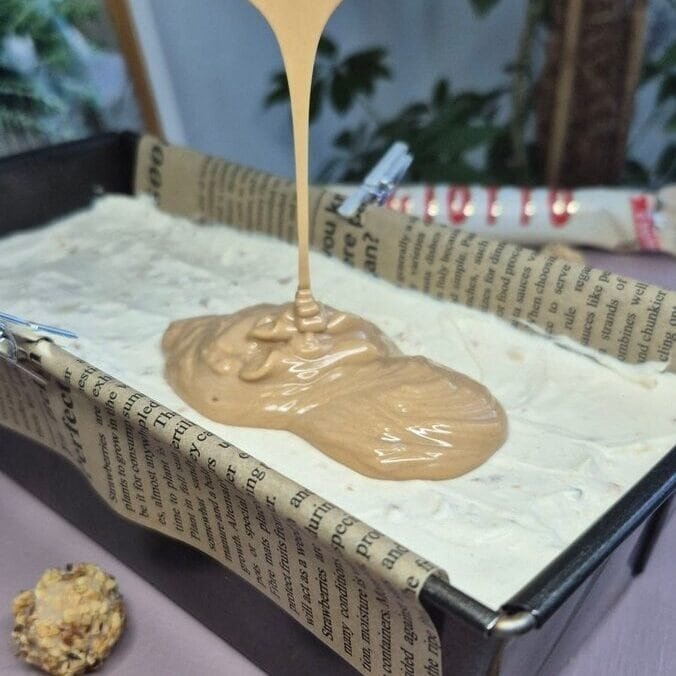
Chill again for about 2 hours until everything is set.
6) Decorate and serve
Decorate right before serving so everything stays crisp and pretty. Whipped cream swirls, a few Giotto balls, chopped hazelnuts—whatever fits your style.
Slice with a sharp knife dipped in hot water, then wiped dry. It sounds fussy, but it gives you those clean, bakery-style slices.
Tips that actually help (especially if you want clean slices)
Use cold ingredients, but not ice-cold mascarpone.
Cream whips best cold. Mascarpone should be cool but not rock-hard—too cold and it can clump, too warm and it can go soft quickly.
Don’t rush the whipping.
If you whip too fast right away, the mixture can look thick but stay unstable. Build it up: low speed first, then higher.
Chop the Giotto balls small.
Large chunks can make slicing messy and the filling can crack around them.
Let the topping cool slightly before pouring.
If it’s too warm, it can melt the surface of the filling and you’ll lose that clean layer on top.
For the neatest finish, line the base.
A circle of baking paper under the crust makes moving the cake easier and saves your serving plate.
Storage notes
- Keep it refrigerated, covered, and it stays good for about 2–3 days.
- If you’re making it ahead, decorate right before serving so the toppings stay fresh and crisp.
- Freezing is possible, but the texture can change slightly once thawed (still tasty, just a bit less fluffy).
Variations I’ve tried (and would do again)
More Giotto flavor:
Add a couple extra Giotto balls to the filling (still chop them small). It makes the cake slightly more textured.
Crunchier top:
Sprinkle chopped hazelnuts over the topping while it’s still soft, then chill.
Lighter sweetness:
If your hazelnut spread is sweet, keep the powdered sugar on the lower side (follow the recipe card as written first, then adjust next time).
Giotto Cheesecake (20 cm pan)
Ingredients
Crust
- 150 g Digestive biscuits
- 50 g butter melted
- 5 tbsp milk
Filling
- 250 g mascarpone cheese
- 2 tbsp powdered sugar
- 250 ml heavy whipping cream
- 1 tbsp light hazelnut spread
- 10 Giotto balls chopped finely
Topping
- 2 tbsp light hazelnut spread
Instructions
- Crush the Digestive biscuits into fine crumbs. Mix with melted butter and milk. Press firmly into a 20 cm pan and refrigerate.
- Beat mascarpone, powdered sugar, heavy whipping cream, and hazelnut spread until thick and firm.
- Fold in the finely chopped Giotto balls.
- Spread the filling over the crust and refrigerate for 1 hour.
- Gently melt the hazelnut spread (double boiler), pour over the cake, and refrigerate for 2 hours.
- Decorate as desired (whipped cream, Giotto balls, chopped hazelnuts), slice, and serve cold.
Notes
- For clean slices, use a hot knife (dip in hot water, wipe dry).
- Chill time matters: don’t shorten it if you want neat cuts.